About

The Inheritance

In 1861, Louis-Émile Durandelle and Hyacinthe-César Delmaet opened a photography studio in Paris built for architecture and industry. For over a decade they documented the Paris Opéra rising, floor by floor, work built to last, not rushed. My great-great-grandfather, Paul-Joseph-Albert Chevojon, joined as an operator, not an owner, learning to see through someone else's lens before he had one of his own.

After Delmaet's early death, Durandelle carried the studio and made it the reference name for Parisian construction photography. The Sacré-Cœur going up on the Butte Montmartre through the 1870s and 80s. The Eiffel Tower rising through 1889, floor by floor, as the iron was riveted together. Architectural photography as record, not portrait. Long exposures on glass, commissioned by the architects and engineers building the city.
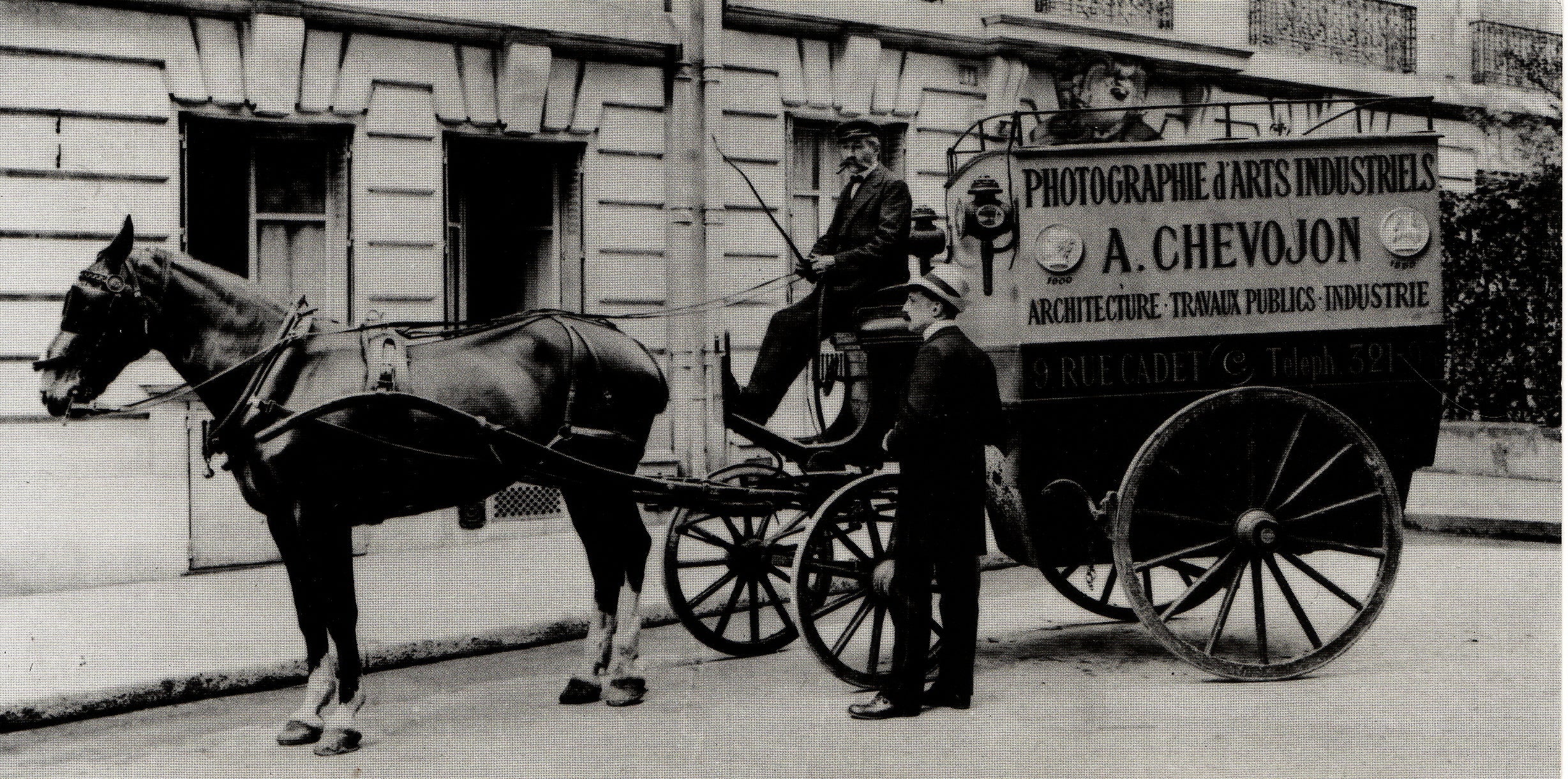
The Chevojon photography carriage on Rue Cadet, Paris, circa 1900.
9 Rue Cadet, Paris

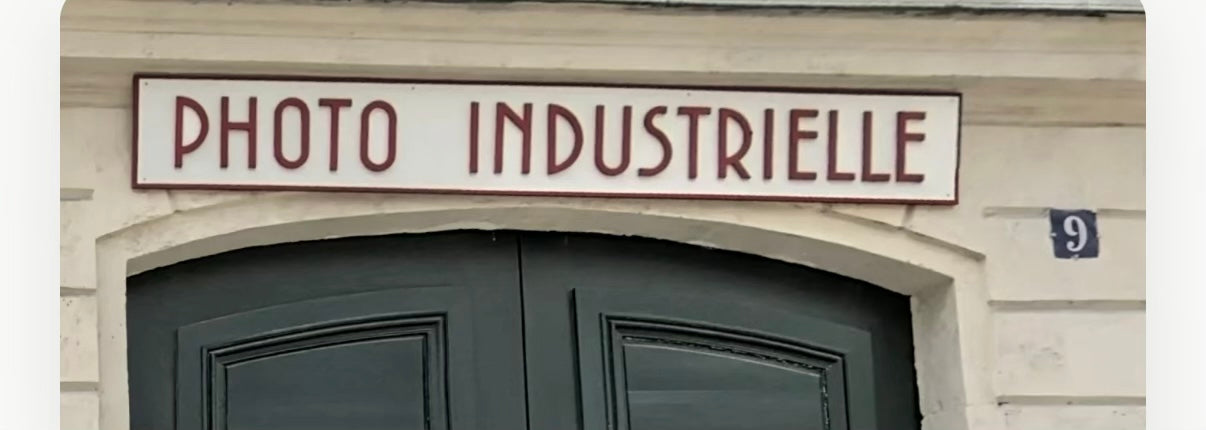
In 1886, Paul-Joseph-Albert bought the whole studio outright: the equipment, the archives, ten thousand glass plates, on Rue Cadet in Paris's 9th arrondissement. A wooden sign reading Photo Industrielle still hangs on the building's façade today. When it was renovated years later, the architect refused to take it down.

The Photo Industrielle sign still hanging above the door at 9 Rue Cadet, Paris.
9 Rue Cadet, Paris. The sign still hangs.

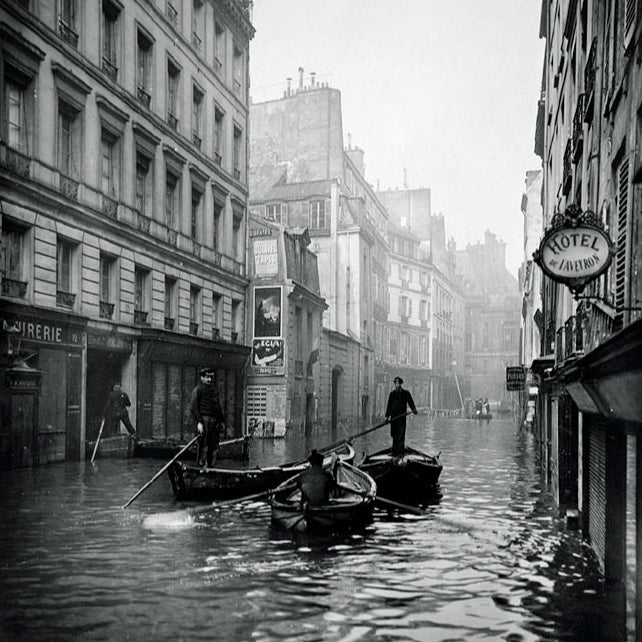
The practice carried on. In January 1910, the Seine broke its banks and half the city went under. Paul-Joseph-Albert walked into the flooded streets with a camera and worked the same way Durandelle had: one negative at a time, as it was happening. The archive was building on itself.

Paris flooding, 1910. Boats on a submerged Parisian street.
Paris flooding, 1910 · Paul-Joseph-Albert Chevojon

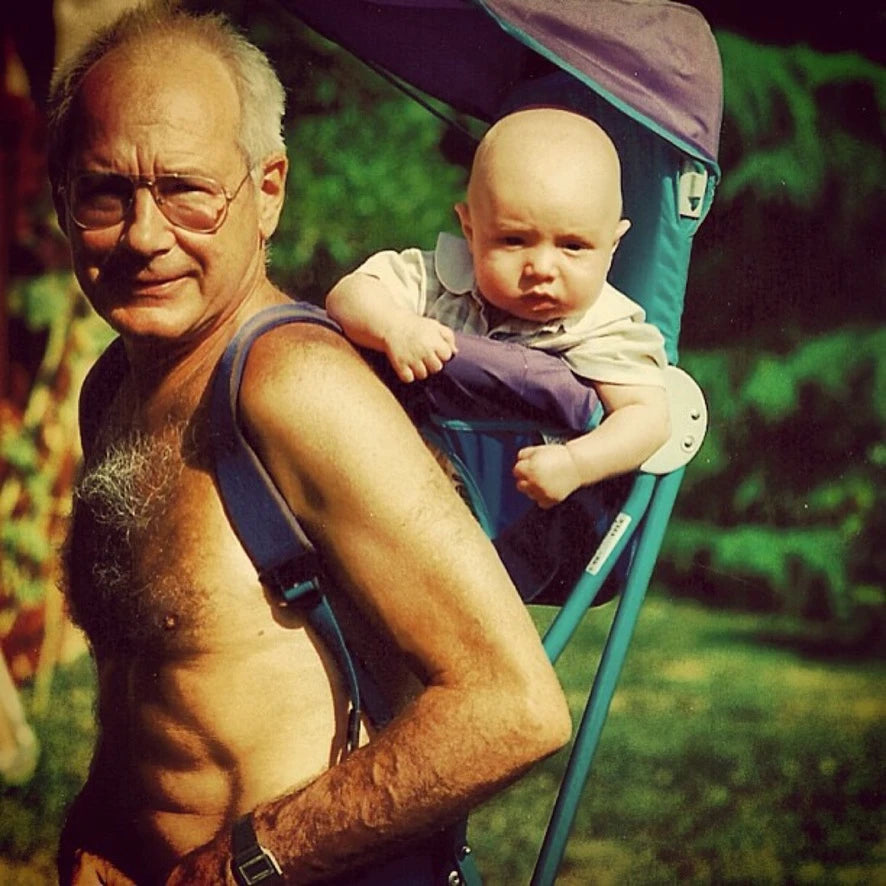
His sons ran it after him, then his grandson, my grandfather, Bernard Chevojon, who still holds the archive today. Some things in this family are only ever passed down, never bought new. It's not a profession I picked. It's something I carry.

Bernard Chevojon carrying Charles as a baby.
My grandfather Bernard and I

A Life Already in Motion

I didn't come to travel late. My mother built her career in tourism, running Carré Destinations, and I grew up moving through the world before I had any language for why it mattered.

Business school came first, then a decade of corporate jobs in France: retail, IT, a year inside my mother's own network in Asia, then pharmaceuticals, an MBA running alongside it all. I learned how a business works before I ever learned how light does.

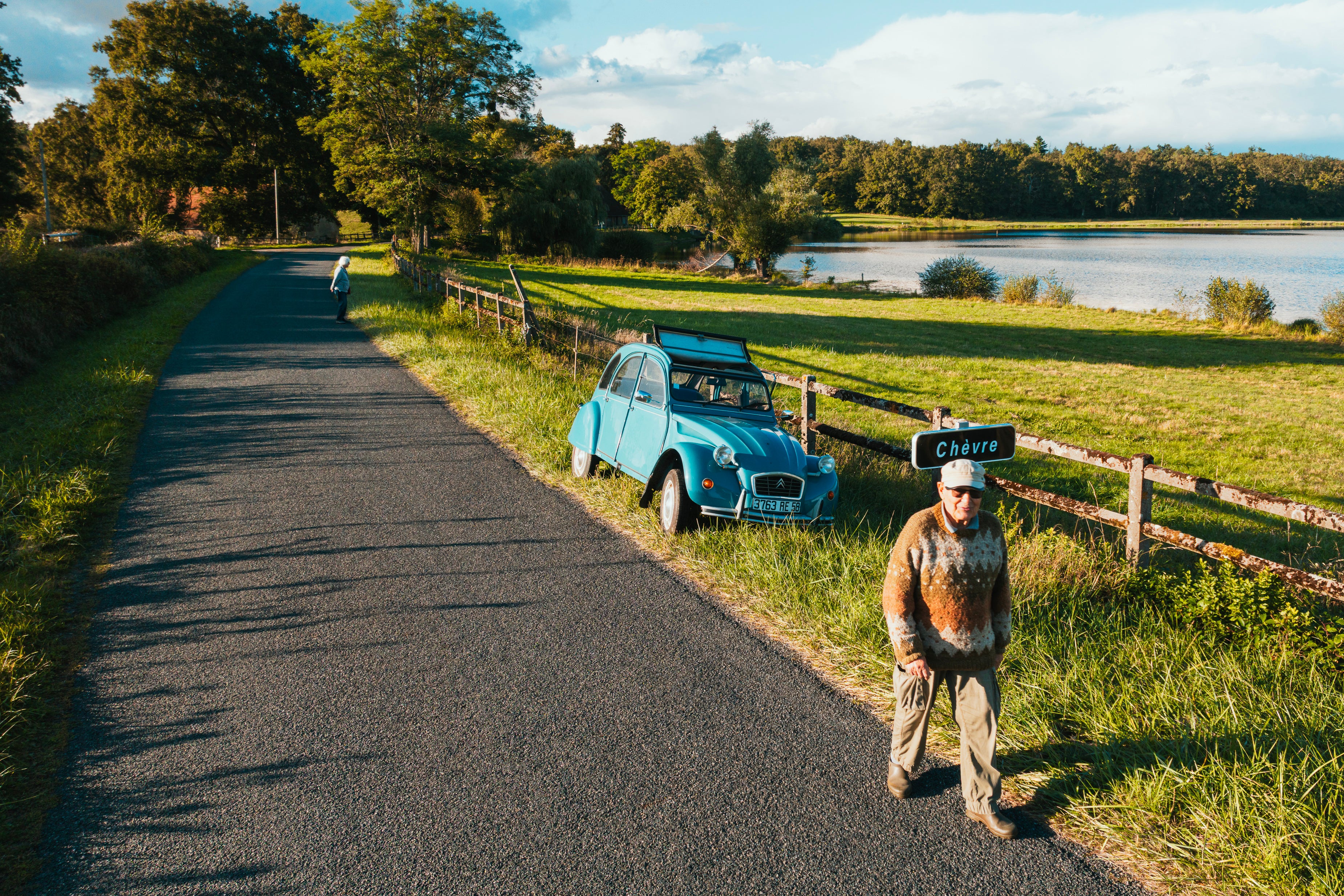
A blue Citroen 2CV parked on a country road beside a lake in the French countryside, my grandfather standing next to it.

The Reset

In 2019 I left for Australia with no real plan, just a need for a different chapter. Farm work, small jobs, then cookery training that led to a head chef role, one that kept me in the country more than it called to me. It taught me composition under pressure, respect for a few ingredients done properly, and the discipline to cut anything that doesn't earn its place on the plate. Fewer elements, held to a higher standard. That's still how I shoot.

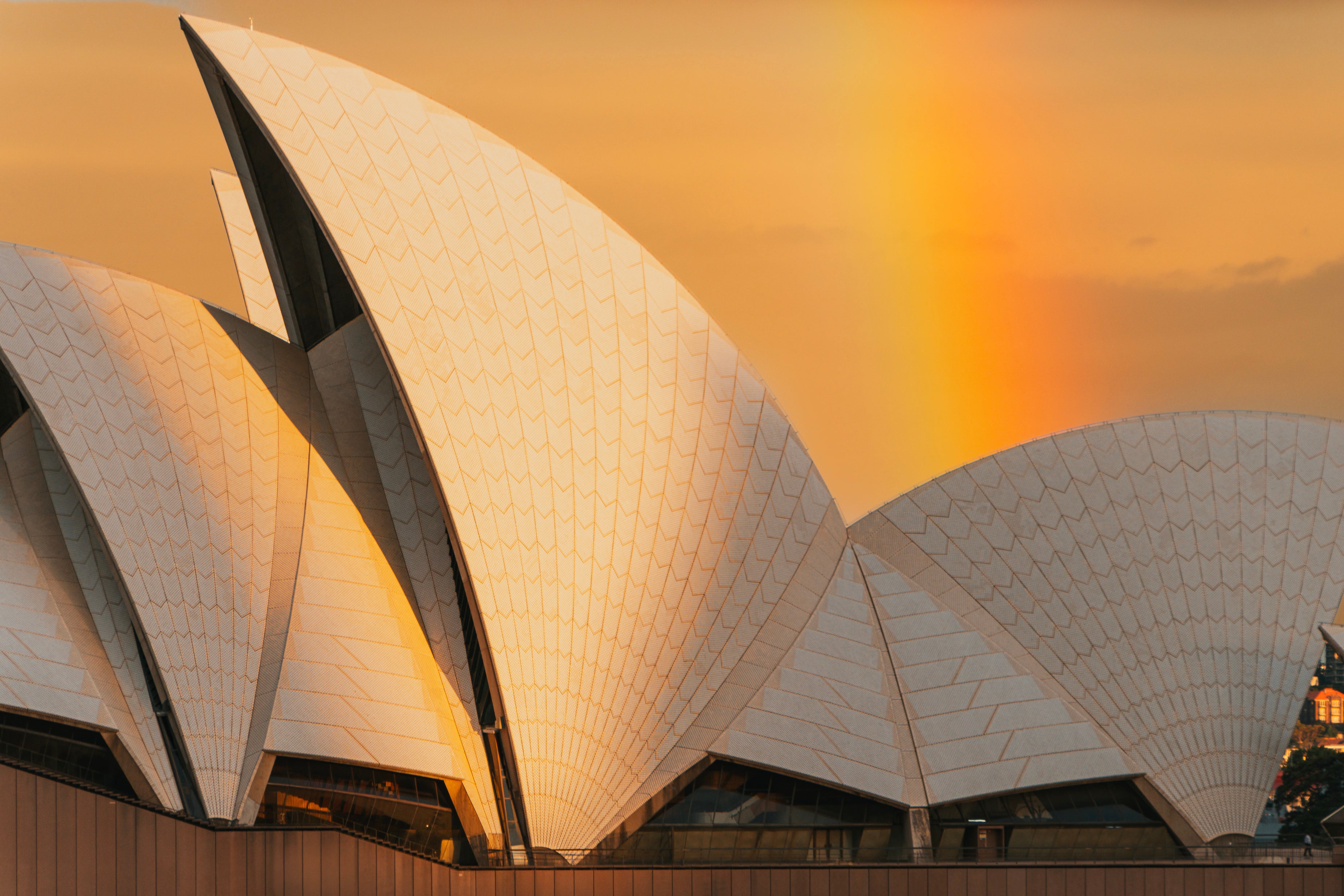
The Sydney Opera House sails lit by a warm sunset with a rainbow arcing behind.

Behind the Camera

Sunlark came first, a coastal watersports brand built with a business partner, because I wanted to see if I could. I taught myself the camera to shoot it, then stayed on as creative director once it earned its keep.

Hydrofoil Academy came next, a different partner, a sharper brief: grow an audience from zero and let the stills and video carry it.

That's the body of work behind this site: founders and venues who needed to look like what they actually are, shot and directed end to end.

The archive runs alongside it, inherited rather than built, four generations of Chevojon photography now moving into limited editions with full provenance.

Same eye, two different jobs.

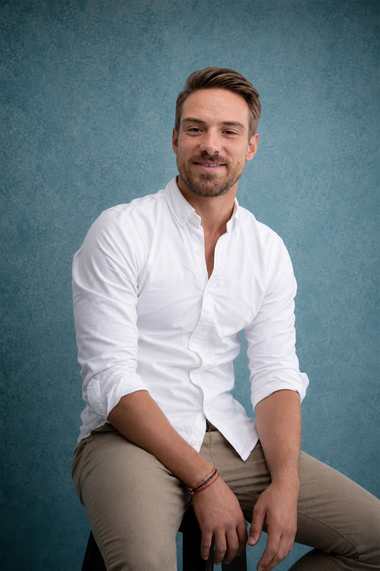
Portrait of Charles Chevojon.

If this is the kind of image-making you're looking for, this is the right place to start.